The Girl Who Survived
by Lisa Jackson
4.5/5
by Lisa Jackson
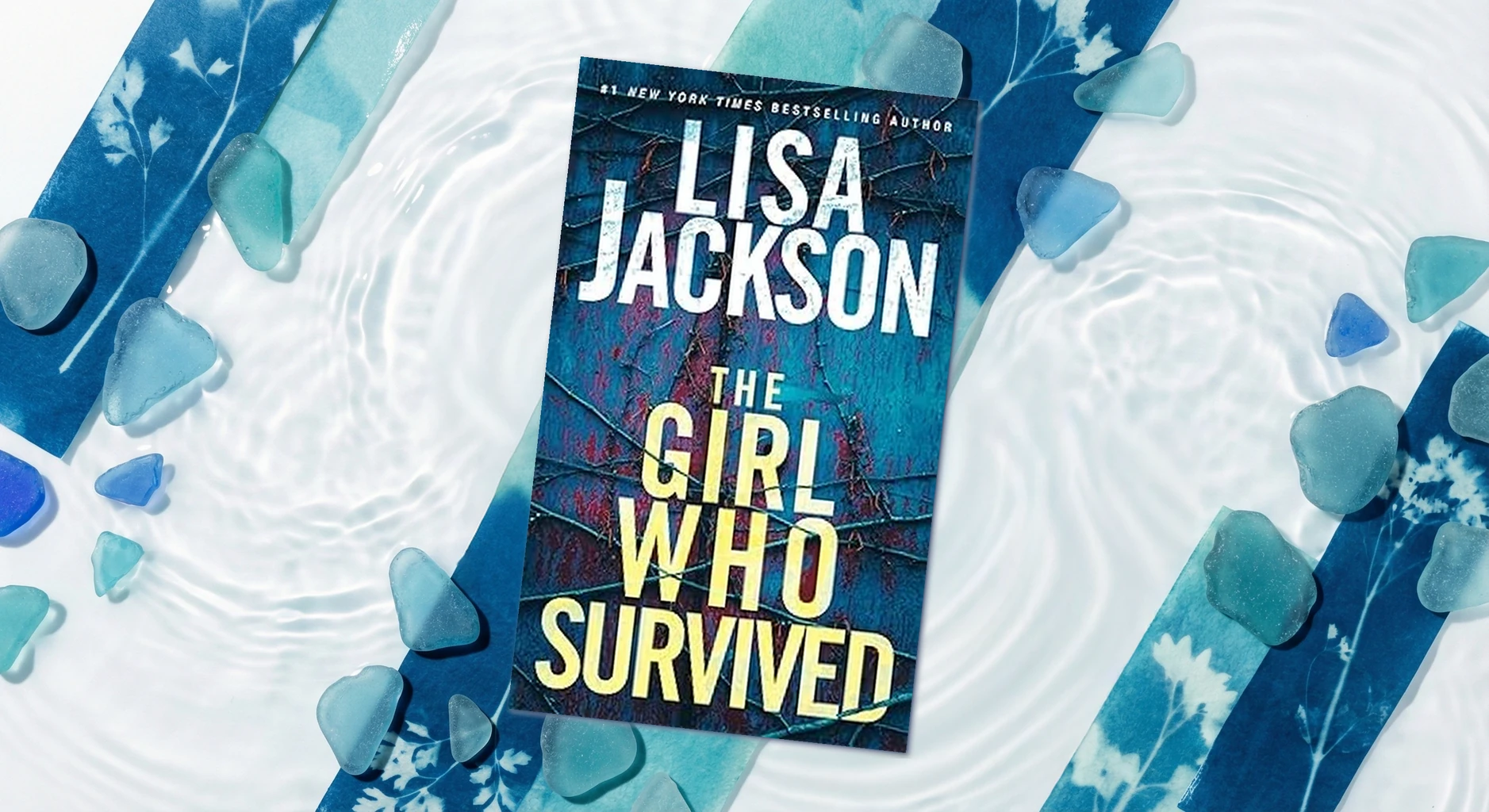
There’s something about a story that grips you right from the first few pages, isn’t there? You know the kind — it sinks its hooks in deep, and you find yourself unable to escape, even if you wanted to. Lisa Jackson’s latest offering does just that. Her ability to weave suspense and psychological intrigue into the fabric of her narrative is nothing short of masterful. It’s a whirlwind that draws you in, pulls you under, and leaves you gasping for breath.
In this gripping tale, the author introduces us to a haunting world of secrets, trauma, and the unrelenting grip of the past. The narrative unfolds in a way that feels both intimate and expansive, exploring not just the mind of the protagonist but the very nature of survival itself. The Girl Who Survived is a journey through darkness, revealing the shadows that lurk beneath the surface of seemingly ordinary lives.
From the very beginning, Jackson sets the stage with vivid descriptions that make the setting almost a character in itself. You can almost feel the chill in the air, the weight of unspoken words, and the silence that screams louder than any shout. The protagonist, a young woman grappling with her own history, becomes your guide through this labyrinth of memories and fears. Her experiences resonate, echoing the struggles many of us face when dealing with trauma. It’s raw, it’s real, and it’s unflinching.
The pacing of the story is another element that deserves special mention. Jackson knows how to play with rhythm — there are moments of breathless urgency that propel you forward, followed by quieter, reflective passages that allow you to catch your breath. This ebb and flow keeps the reader engaged, creating a sense of urgency that compels you to turn the page.
One of the most compelling aspects of The Girl Who Survived is Jackson’s character development. The protagonist is not a superhero; she’s flawed, vulnerable, and deeply relatable. Her inner struggle is palpable. You feel her fear, her determination, and her desire for healing. Jackson crafts her journey with such nuance that it’s hard not to root for her, even when she makes questionable decisions. In fact, it’s this authenticity that makes her journey all the more impactful.
Readers across various platforms have shared their thoughts, and it’s clear that the consensus is overwhelmingly positive. Many appreciate the depth of the characters, the intricate plot twists, and the emotional resonance that lingers long after the last page is turned. The way Jackson handles themes of survival, resilience, and the human capacity for change has struck a chord with many, often leading them to reflect on their own experiences.
There’s an undercurrent of tension that runs throughout the novel, building suspense in a way that feels both organic and purposeful. Jackson teases out the secrets of the past layer by layer, revealing just enough to keep you guessing while also providing powerful insights into the characters’ motivations. You find yourself piecing together the puzzle alongside the protagonist, which makes every revelation all the more satisfying.
The secondary characters are equally well-drawn, each adding their own complexity to the narrative. Whether they serve as allies or antagonists, they feel like real people with their own demons, struggles, and desires. This adds to the sense of realism and makes the stakes feel even higher. You can almost imagine them living their lives outside the pages, struggling with their own battles.
One of the most significant takeaways from The Girl Who Survived is its exploration of the theme of survival. What does it mean to survive? Is it merely to exist? Or is it something deeper — a journey toward healing and understanding? Jackson poses these questions throughout the narrative, inviting readers to consider what survival truly entails. It’s a thought-provoking exploration that resonates long after the book is closed.
As I immersed myself in this compelling story, I couldn’t help but draw comparisons to other works within the psychological thriller genre. Jackson’s style brings to mind the meticulous plotting of authors like Gillian Flynn and Paula Hawkins, yet she manages to carve out her own unique niche. The way she intertwines personal struggles with broader societal issues is commendable. It feels fresh, even as it echoes familiar themes.
One aspect of the book that truly captivated me was the way Jackson navigates the complexities of relationships. Family dynamics, friendships, and even those fleeting connections that sometimes have the most profound impact are explored with sensitivity and depth. It’s this exploration of human connections that elevates the novel beyond mere suspense. It’s a reminder that we are all shaped by the people around us — for better or worse.
Readers have pointed out how the author manages to maintain a delicate balance between suspense and emotional depth. It’s not just about the thrill of the chase; it’s about understanding the characters and their motivations. This emotional layer adds richness to the narrative, making the stakes feel personal. As the protagonist fights to confront her past, you feel every ounce of her struggle, and it becomes hard to look away.
The ending of The Girl Who Survived leaves a lasting impression, offering a sense of closure while also inviting contemplation. It’s the kind of ending that lingers, making you reflect on the journey you’ve taken with the characters. You may find yourself questioning what you would do in their shoes, or how you might navigate your own path toward healing.
Though the novel is a work of fiction, the emotions it evokes feel profoundly real. It’s a testament to Lisa Jackson’s skill as a storyteller that she can craft a narrative that resonates so deeply with readers. The Girl Who Survived is more than a thriller; it’s a poignant exploration of survival, resilience, and the human experience.
If you’re looking for a page-turner that combines suspense with emotional depth, The Girl Who Survived is an excellent choice. It’s a gripping ride that will keep you on the edge of your seat, while also prompting you to reflect on broader themes of survival and healing. I wholeheartedly recommend it for anyone who enjoys psychological thrillers that make you think. Trust me, this one will stick with you long after you’ve turned the last page.