Tomorrow, and Tomorrow, and Tomorrow
by Gabrielle Zevin
4.5/5
by Gabrielle Zevin
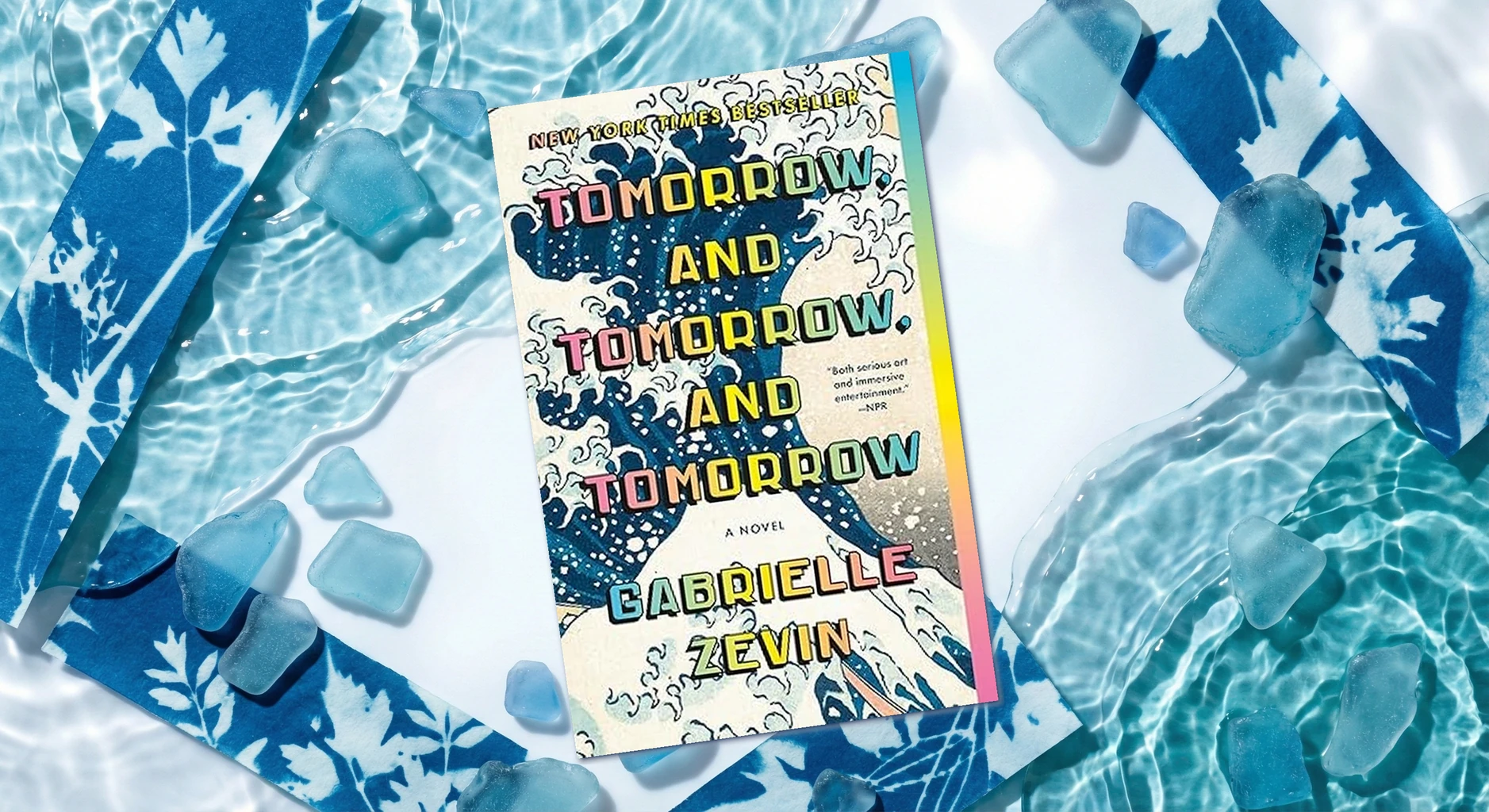
Gabrielle Zevin's latest work is a remarkable exploration of creativity, friendship, and the intricate dance of collaboration. As someone who has navigated both the literary world and the complexities of human relationships, I felt a magnetic pull toward the characters and their struggles, which resonate deeply within the creative community.
The novel introduces us to Sadie and Sam, two friends who find solace and inspiration in each other. They meet as children in the vibrant world of video game design, a realm that feels both familiar and foreign to those of us who merely dabble in gaming. The narrative flows effortlessly through time, tracing their journey from innocent youth to the tumultuous adulthood, where ambition and life’s messy unpredictabilities tug them in different directions.
What struck me most was how Zevin captures the essence of creativity: it’s messy, it’s chaotic, and it demands vulnerability. The way she portrays the characters’ relationship is both tender and fraught. It’s a friendship forged in shared dreams, but also one that reflects the reality of personal ambition clashing with collective goals. I found myself nodding along to the intricacies of their dialogue, which resonates with anyone who has ever attempted to make art with a partner or friend. The interplay of their opposing personalities is a dance, at times harmonious and at others, a cacophony.
Admittedly, I had my hesitations at first; the world of gaming, though rich and layered, can alienate those unfamiliar with its nuances. Yet, as I delved deeper, I realized that Zevin does a masterful job of making the gaming landscape accessible. She intertwines the culture, history, and emotional stakes of video game design into the narrative, drawing parallels to the broader human experience. The game they create becomes a metaphor for their lives, a reflection of their hopes, fears, and failures.
Key takeaways from Tomorrow, and Tomorrow, and Tomorrow include:
- The exploration of creativity as a collaborative process, fraught with challenges.
- The depth of human relationships, particularly friendships that evolve over time.
- A vivid depiction of the gaming industry that serves as a backdrop for broader themes of ambition, failure, and success.
Readers have responded to the book with a mix of admiration and introspection. Many have praised Zevin's ability to balance the technical aspects of game development with the emotional journeys of the characters. The dialogue is snappy and reflective, filled with moments of humor that serve to lighten heavier themes. Others have commented on the authenticity of the characters, who feel like real people with real struggles. It’s this relatability that resonates most profoundly, especially for those of us who have ever felt the weight of our creative aspirations.
One aspect I particularly enjoyed was the way Zevin weaves in the concept of time. The title itself hints at the cyclical nature of life, creativity, and relationships. As the characters grapple with their past choices, the narrative poses essential questions about the paths we take and the opportunities we let slip through our fingers. It’s a poignant reminder that every moment matters, every decision shapes our future, and the ripple effects of our actions can reverberate for years.
Throughout the novel, I found myself reflecting on my own creative endeavors. The fears, the doubts, the exhilaration of a successful collaboration—Zevin captures it all with such precision that it’s hard not to see myself in Sadie and Sam. The way she navigates their highs and lows is nothing short of a masterclass in character development. The emotional stakes are palpable, and her prose is both lyrical and cutting, illuminating the complexities of the human experience.
As the narrative unfolds, the characters confront their insecurities head-on. They grapple with identity, loss, and the relentless pressure to succeed in an increasingly competitive world. These are universal experiences, yet they are rooted in the specificities of gaming culture. This duality is what makes the novel so powerful; it’s a love letter to creativity while simultaneously critiquing the societal structures that often stifle it.
Tomorrow, and Tomorrow, and Tomorrow is a beautifully crafted narrative that explores the intricate web of friendships, creativity, and the complexities of life. Gabrielle Zevin has penned a work that not only entertains but also forces us to confront our own aspirations and the relationships that shape them. I highly recommend this book to anyone who has ever felt the pull of creativity, whether in art, writing, or even in the quiet moments of life. It’s a reminder that, like the characters we meet, we all have our own stories to tell and our own games to play.
With a rating of 4.5 stars, this novel deserves a spot on your reading list—it's the kind of book that will linger in your thoughts long after you turn the last page.